
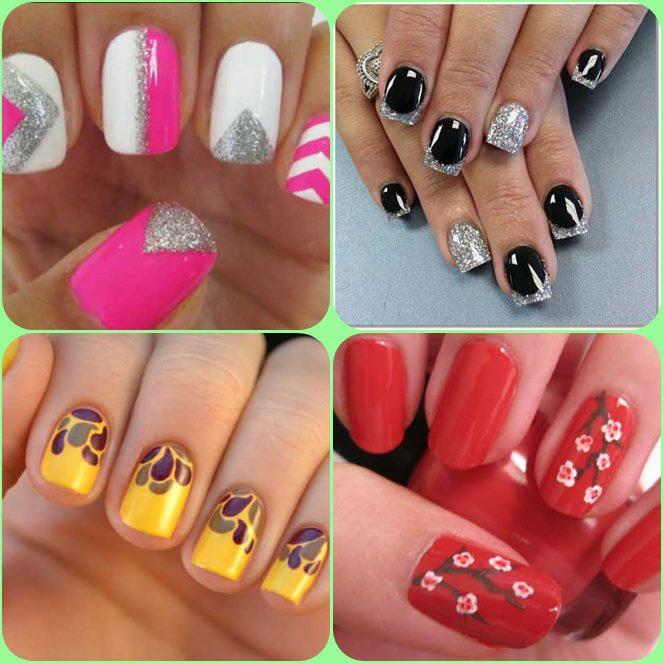
Manicurists are often telling us to treat our nails as jewel's not tools to keep the nails long and strong, but don't forget the dietary secrets that can help your nails be pretty. Here are some basic answers to the most common problems our nails have are due to the diet and it's only a bit more complex than adding in zinc, selenium, biotin, and performing simple loving buffing. But if you notice your nails are not what you hoped here's a quick guide to the fixes.
If you are constantly wearing polish you may just be putting too many chemicals on their nails. This nail painting, combined with even minor deficiencies can cause nail problems. With most nail issues, it's the plate that is affected, and as the offending problem is corrected the new growth at the base will appear healthier. Once you correct the problem, the new nail outgrowth should be healthy, unless you have damaged your nail plate base. We also suggest taking some deep breaths and realizing a universal truth: nail outgrowth is slow. Be patient! If the beds don't heal, then it's on to another source.
Nail Appearance Abnormalities
- Beau's lines are depressions across the fingernail. These lines can occur after illness, injury to the nail, eczema around the nail, during chemotherapy for cancer, or when you do not get enough nutrition.
- Brittle nails are often a normal result of aging. They can also be due to certain diseases and conditions.
- Yellow nails? This could be your thyroid, in addition thyroid can lead to brittle or thin nails, for this you have to test
- Pale white Nail beds: Consider more selenium (brazilnuts, chia seeds, mushrooms are just a few sources).
- Koilonychia is an abnormal shape of the fingernail. The nail has raised ridges and is thin and curved inward, and is most commonly caused by iron deficiency anemia.
- Leukonychia is white streaks or spots on the nails.
- Pitting is the presence of small depressions on the nail surface. Sometimes the nail is also crumbling. The nail can become loose and sometimes falls off. Pitting is associated with psoriasis and often associated with hair loss.
- Ridges are tiny, raised lines that develop across or up and down the nail. And they may be due to different causes than all of the above.
- Torn cuticles: How about your chromium levels, traumas and minor burns are aided by having the proper chromium in your diet
Causes
Drying: Nails, like skin need hydration, and sun protection, so use your products!
Hormonal Issues: In pregnancy the nails may grow well. In menopause, the lower estrogen will thin.

Nutritional Deficiencies
Injury:

 .
.
Hormonal Issues: In pregnancy the nails may grow well. In menopause, the lower estrogen will thin.
Nutritional Deficiencies
Injury:
- You get one Crushing the base of the nail or the nail bed may cause a permanent deformity.
- Chronic picking or rubbing of the skin behind the nail can cause median nail dystrophy, which gives a lengthwise split or ridged appearance of the thumbnails.
- Long-term exposure to moisture or nail polish can cause nails to peel and become brittle.
- Fungus or yeast cause changes in the color, texture, and shape of the nails.
- Bacterial infection may cause a change in nail color or painful areas of infection under the nail or in the surrounding skin. Severe infections may cause nail loss.
- Viral warts may cause a change in the shape of the nail or ingrown skin under the nail.
- Certain infections (especially of the heart valve) may cause red streaks in the nail bed (splinter hemorrhages).
- Disorders that affect the amount of oxygen in the blood (such as heart problems and lung diseases including cancer or infection) may cause clubbing.
- Kidney disease can cause a build-up of nitrogen waste products in the blood, which can damage nails.
- Liver disease can damage nails.
- Thyroid diseases such as hyperthyroidism or hypothyroidism may cause brittle nails or splitting of the nail bed from the nail plate (onycholysis).
- Severe illness or surgery may cause horizontal depressions in the nails (Beau's lines).
- Psoriasis may cause pitting, splitting of the nail plate from the nail bed, and chronic (long-term) destruction of the nail plate (nail dystrophy).
- Other conditions that can affect the appearance of the nails include systemic amyloidosis, malnutrition, vitamin deficiency, and lichen planus.
- Skin cancers near the nail and fingertip can distort the nail. Subungal melanoma is a potentially deadly cancer that will normally appear as a dark streak down the length of the nail.
- Hutchinson sign is a darkening of the cuticle associated with a pigmented streak and may be a sign of an aggressive melanoma.
- We don't think that many individuals are subjected to poisons knowingly, but thin about your well water, your use of garden pesticides, and home hair dyes and common causes of exposures to many chemicals. Chemical and toxin exposures can be tested, mercury is one of the most common over exposures due to it's presence in fish and can be a cause of lines parallel to the nail bed
- Arsenic poisoning may cause white lines and horizontal ridges.
- Silver intake can cause a blue nail, again, not common!
- It's not likely that short courses of medication will affect nail growth, but there are case reports from courses of medication that are only a couple of weeks long. Certain antibiotics can cause lifting of the nail from the nail bed.
- Chemotherapy medicines can affect nail growth.
When to Get Medical Evaluation
Call your health care provider if you have:
- A new or widening dark streak in the nail
- Blue nails
- Clubbed nails
- Distorted nails
- Horizontal ridges
- Pale nails
- White lines
- White color under the nails
- Pits in your nails
- Peeling nails
- Painful nails
- Splinter hemorr
Comments
Post a Comment
Thank you for your comments and questions. WE hope you will buy our book, https://www.gynogab.com/shop This blog is not intended to replace medical care, but is informational only. We hope you will become a follower or visit Womens Health Practice. We offer a variety of unique services including MonaLisa Touch, Coolsculpting, Labiaplasty, and Gynecoloigic Clinical Research Trials. For more information on menopause see